
Ever get that feeling that something in your house is... shifting? You might notice a bedroom door that suddenly sticks for no reason, or a new, spidery crack branching out from a window frame. It’s especially common after a really wet spring or one of our classic dry Colorado summers.
If that sounds familiar, I can tell you that you're not imagining things. The answer is often right under your feet, in Boulder's notoriously tricky soil. For homeowners here, this ground we live on can be one of our biggest headaches.
So, in this guide, we're going to break it all down for you. We'll talk about what this "expansive soil" actually is, why it gives our homes such a hard time, and most importantly, what you can do about it. Getting a handle on this is really the first step in protecting your home and knowing if you might need to consider professional foundation repair in Boulder.

What Exactly is Expansive Soil?
Okay, let's not get bogged down in geology jargon. The easiest way to think about expansive soil is to picture a giant, natural sponge.
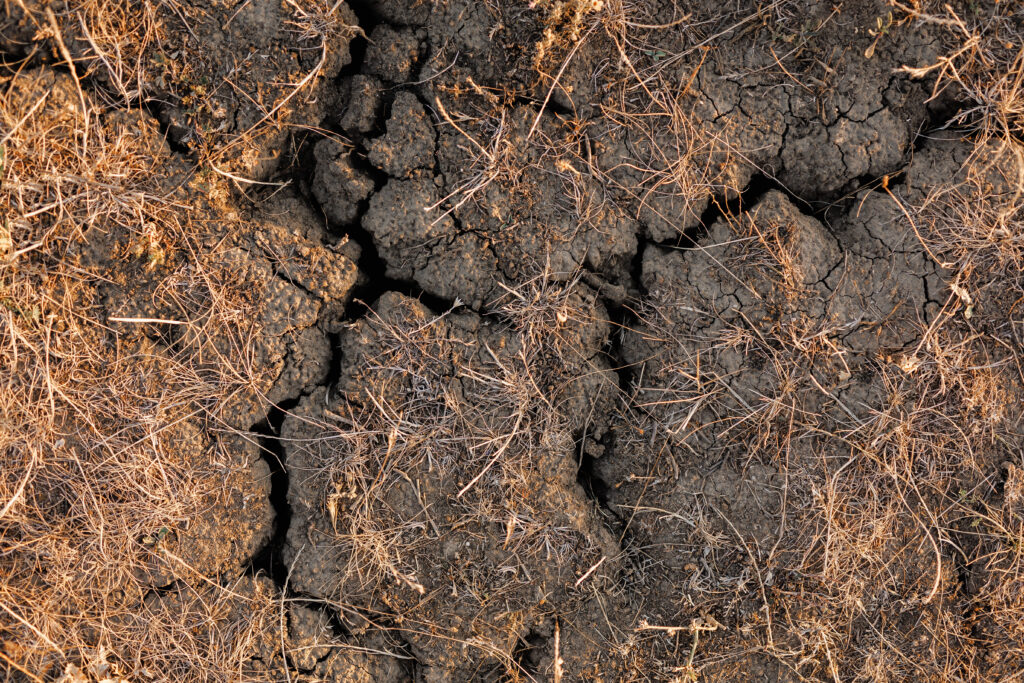
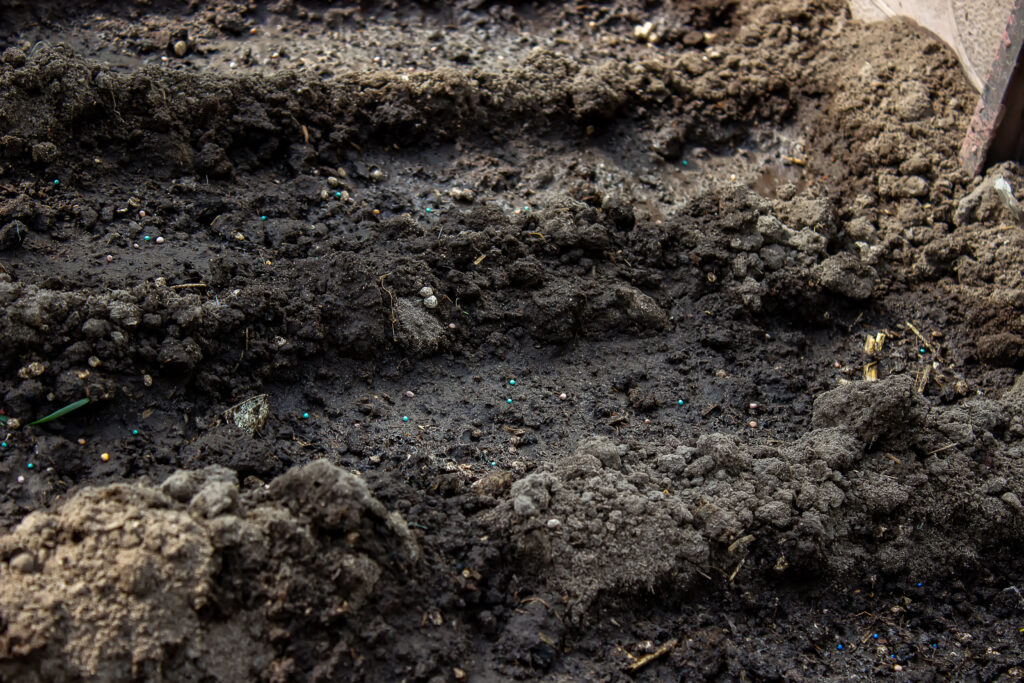
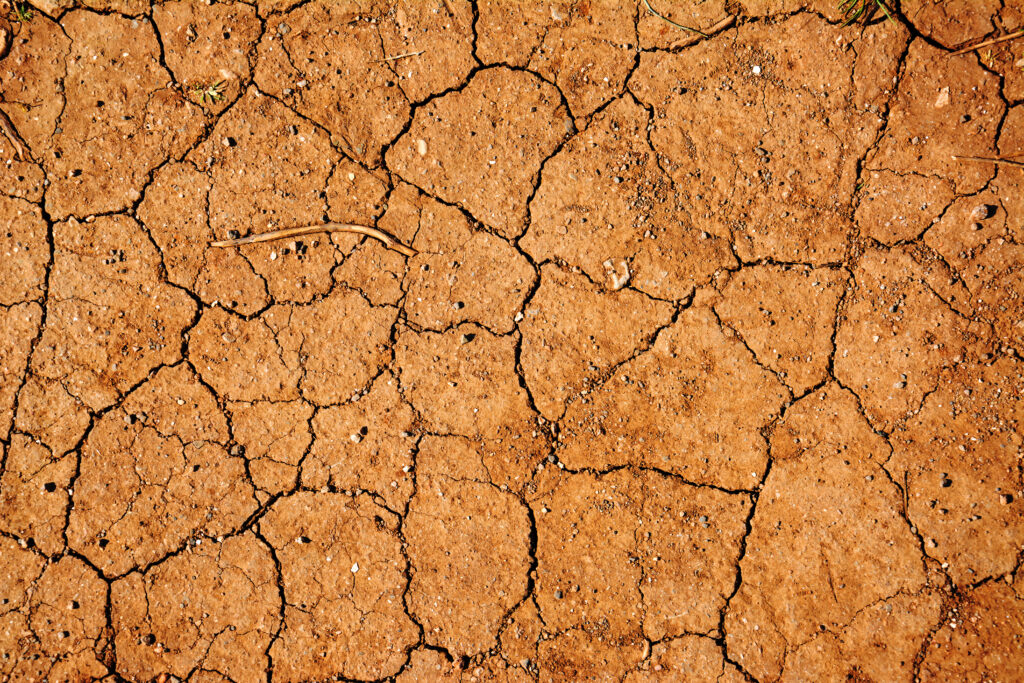
When this type of soil gets wet from rain or snowmelt, it soaks up the water and swells up, pushing upward with incredible force. Then, when it dries out, it shrinks, hardens, and can pull away from your foundation, leaving empty space.
This constant up-and-down movement—swelling and shrinking, season after season—is what puts your home’s foundation under a ton of stress. It’s not a one-time event; it’s a slow, powerful cycle that can lead to real problems over time. The culprit is a specific type of clay mineral (sometimes called bentonite) that's just really, really good at absorbing water.
So, Why is Boulder So Prone to This?
You might be wondering, "Is this really such a big deal, specifically in Boulder?" In short, yes. It's not your imagination. Our corner of the Colorado Front Range happens to be built on top of a geological formation called the Pierre Shale, which is loaded with that sponge-like clay. It’s just part of the package of living in this beautiful area.
And then there's our weather, right? We get heavy snowmelt, big summer thunderstorms, and then long stretches with no rain at all. This cycle of drenching and drying is what puts the soil’s shrink-swell cycle into overdrive. It's the perfect storm for creating clay soil foundation problems, and a key reason why understanding Boulder soil types is so important for homeowners.
The Telltale Signs: How to Spot Potential Trouble
It can be pretty unsettling to see cracks forming in your walls, and it's normal to feel a little worried. But the first step is just to know what to look for. Think of it as a health check-up for your house.
Here are the most common clues that expansive soil might be messing with your home:

- Cracks in the Foundation: Take a walk around your basement or the outside of your house. Are you seeing zig-zagging, stair-step cracks in the brickwork or concrete? Those are classic signs.
- Cracks in Your Drywall: Look for cracks spreading out from the corners of interior doors and windows. This often means the frame of the house is being twisted slightly by the shifting foundation.
- Sticking Doors and Windows: You know that one bathroom door you have to shoulder-check to get it to close? Or a window that feels impossible to open? When the house moves, it warps these frames, causing them to jam.
- Sloping or Uneven Floors: Do you ever feel like you're walking slightly uphill in your own hallway? Or maybe a marble placed on the floor would roll to one side? That could be the concrete slab being pushed up or settling down.
- Gaps Where They Shouldn't Be: Check for separation between the wall and the ceiling, or between the floor and the baseboards. Sometimes you'll even see a brick chimney starting to pull away from the side of the house.
Proactive Measures: How to Protect Your Foundation
Okay, the good news. You are not helpless in this fight! When it comes to dealing with expansive soil, the name of the game is moisture control. Your goal is to keep the moisture level around your foundation as consistent as possible all year long.
Here are a few practical things you can do:
- Become a Drainage Master: Honestly, this is the most important and most underrated part of home maintenance. Clean your gutters. Add extensions to your downspouts so they dump rainwater a good 5-10 feet away from the house. Make sure the dirt around your foundation slopes gently away from the walls, not toward them.
- Landscape with Care: We all love big, beautiful trees, but their roots are thirsty. Planting large trees or water-hungry shrubs too close to your home can suck all the moisture out of the soil, causing it to shrink dramatically.
- Water Your Foundation (Yes, Really): It sounds weird, I know. But during those long, hot, dry spells, the soil can shrink away from your foundation. To prevent this, you can lay a soaker hose about 18 inches from the foundation wall and run it periodically on a low setting. The goal isn’t to flood the area, but just to keep the soil lightly and consistently moist.

When Prevention Isn't Enough: Calling in the Pros
Look, sometimes you can do everything right, and an older home will still show signs of stress. If the damage is already done, proactive tips won't reverse it. That’s the point where you need a professional solution to make your home safe and stable for the long haul.
It can feel a little daunting, but the first step is simple: an expert assessment. This might involve soil testing for the foundation to know exactly what's going on. If we find that the foundation has moved significantly, the best fix is often to install something like helical piers or micropiles.
Think of them like stilts for your house. We drive these steel piers deep into the ground, past all that shifty clay soil, until they hit solid, stable ground or bedrock. Then, we transfer the weight of your house onto these piers. It’s a permanent solution that bypasses the problem soil completely.
If you’re seeing some of these signs around your house, the best thing you can do is get a professional opinion. Here at Van Matre Construction, we specialize in figuring out exactly what’s going on and providing permanent solutions for foundation repair in Boulder, CO.

In Conclusion, Be Smart About Your Foundation
Living in Boulder comes with a unique set of challenges, and our soil is one of them. But now you know the secret: it’s all about managing moisture. By keeping an eye on your drainage and watching for the early warning signs, you can save yourself a world of future stress and money.
At the end of the day, your home is your biggest investment. It’s worth protecting from the ground up.
Worried that some of this sounds a little too familiar? Contact Van Matre Construction today. We’re happy to come out, do a comprehensive foundation assessment, and give you some real peace of mind.

About Van Matre Construction
Founded in 2001 by Brady Van Matre, Van Matre Construction has become a trusted name in the Boulder and Denver construction markets. The company is dedicated to delivering top-tier foundation repair and construction services, prioritizing client satisfaction and structural integrity.


